What Tennis String Is Best for Junior Players?
Choosing tennis strings for a junior player? Learn about multifilament, polyester, string gauge and tension, and how to choose a setup that suits a developing player.
Sep 21, 2026
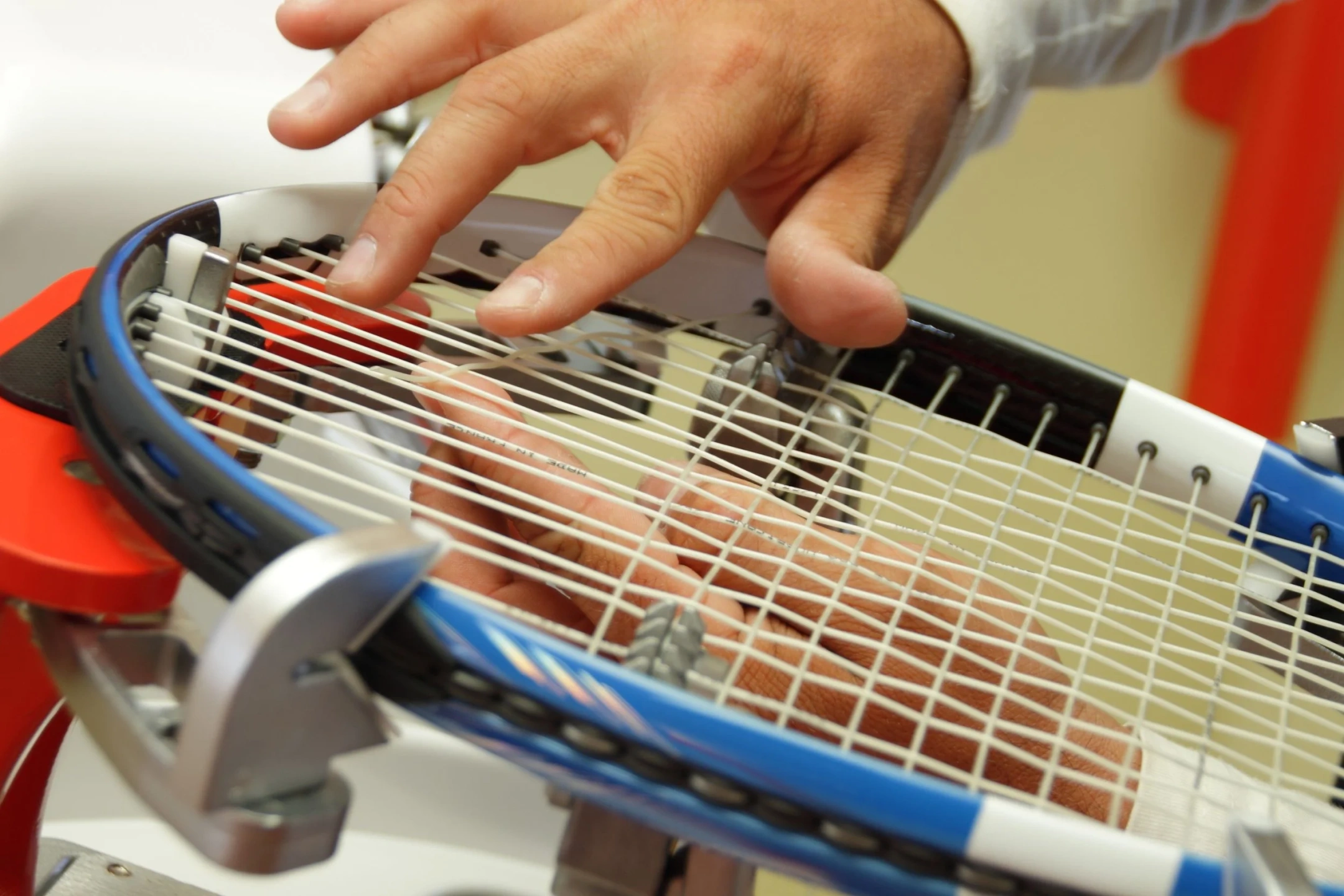
Choosing the right tennis string for a junior player can be confusing. There are different string types, gauges and tensions, and what works for an adult player isn't necessarily the best choice for a developing junior.
At True Tension, the starting point is simple: the string setup should suit the player's age, strength, technique, racquet and playing level.
Start with comfort, not maximum performance
For many younger junior players, a softer string such as a multifilament or synthetic string is an excellent starting point. These strings generally provide a comfortable response and good feel without being unnecessarily stiff.
As juniors become stronger, hit with more racquet-head speed and begin breaking strings more frequently, other options can become appropriate.
String gauge matters too
Gauge refers to the thickness of the string. A thinner string can provide excellent feel and response, while a thicker string will generally offer greater durability.
For a junior who isn't regularly breaking strings, there may be little benefit in immediately moving to a thicker string simply for durability.
The goal is to find the right balance between feel, comfort, performance and durability.
Don't overlook tension
String tension can have a significant effect on how a racquet feels.
Generally, a lower tension provides a softer feel and can make it easier to generate depth, while a higher tension creates a firmer string bed.
That doesn't mean every junior should automatically use a very low tension. Racquet type, string choice, playing style and the individual player all matter.
What about polyester strings?
Polyester strings are extremely popular among competitive players because of their durability, control and spin potential. But that doesn't mean every junior player needs polyester.
For younger or developing players who aren't breaking strings regularly, a softer multifilament or synthetic string can often be a more appropriate choice.
As a player becomes physically stronger, technically developed and starts generating greater racquet-head speed, polyester may become worth considering.
How often should a junior's racquet be restrung?
One of the biggest mistakes is waiting until the strings actually break.
Strings gradually lose tension and playing characteristics over time. A racquet can therefore still have intact strings while feeling noticeably different from when it was freshly restrung.
How often a junior should restring depends on how frequently they play, the type of string they use and their level of competition.
So, what is the best tennis string for a junior?
There isn't one string that's right for every junior player.
For many younger players, a comfortable multifilament or synthetic string at an appropriate tension is an excellent place to start. As their game develops, the setup can evolve with them.
The important thing is choosing a string because it suits the player — not simply because it's what an adult, professional player or another junior happens to use.
Need help choosing the right setup?
True Tension provides professional tennis racquet restringing in Adelaide, with personalised advice on string type, gauge and tension for junior, recreational and competitive players.
If you're not sure what your junior should be using, we're happy to help.